
The Great Migration is often described as a single, headline event—one dramatic river crossing, one dust-clouded stampede, one perfect photograph. In reality, it’s a year-round cycle that rolls through ecosystems, weather patterns, and predator territories across Kenya and Tanzania. And that’s exactly why timing matters so much.
Two people can both “go on migration safari” and come home with totally different experiences: one sees thousands of wildebeest calving on open plains, another spends days tracking herds that have already moved on. Neither is wrong—but only one aligns with what they thought they were booking.
If you want your safari to feel less like a lottery and more like a well-informed decision, it helps to understand what’s happening, where, and when.
The Migration Isn’t One Moment—It’s a Moving Calendar
At its core, the migration is driven by rainfall and fresh grass. Roughly 1.2–1.5 million wildebeest, joined by zebra and gazelle, circle through the Serengeti–Mara ecosystem in search of grazing. But rainfall is increasingly variable, and herds don’t read travel brochures. That means “best month” advice should always come with an asterisk.
A more useful approach is to match your travel dates to the kind of wildlife behavior you want to see:
- Mass calving and newborn chaos?
- Predator density and hunt activity?
- River crossings and high-drama movement?
- Big herds on open plains with cinematic skies?
- Fewer vehicles and a more private experience?
Each of those peaks at different times and places.
A quick reality check on “guarantees”
Even in peak season, nothing is truly guaranteed—wildlife moves on its own terms. But you can drastically improve your odds by choosing regions that logically fit the herds’ typical movement for that time of year and building in enough days to adapt.
Timing Shapes Everything: Wildlife Density, Behavior, and Even Your Photos
The obvious benefit of timing is being where the herds are. The less obvious benefit is seeing how animals behave when conditions change.
Calving season: high reward for predator action
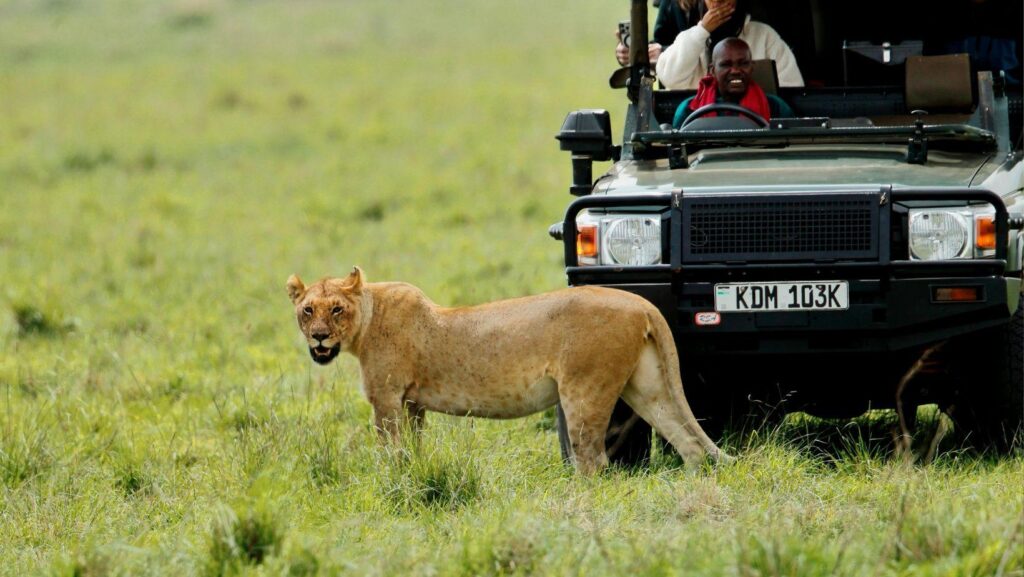
In the southern Serengeti (often around January to March), calving can be astonishing—thousands of births in a short window. This concentration draws predators, and sightings can be frequent and intense. If you’ve ever watched a lioness scan a sea of wildebeest for the slightest weakness, you know it’s a different kind of safari than passive grazing scenes.
River crossing season: drama, but also crowds
The famous river crossings (commonly associated with roughly July to October depending on rains and herd movement) are visually spectacular—but they can also be unpredictable. You might wait hours, or even days, for a crossing that happens in five minutes. And because everyone wants that moment, popular crossing points can become congested.
If you’re considering this period, it’s smart to plan for flexibility: multiple days in the right area, early starts, and a guide who’s plugged into real-time sightings rather than last week’s rumor.
Around this point in your planning, it can help to look at a few real-world route examples to see how itineraries are structured for migration windows—how long they stay in one region, how they balance game drives, and what “migration-focused” actually means in practice. One reference you can browse for context is these east African plains wildlife exploration tours, which illustrate how some operators build days around the Mara’s migration dynamics without treating the experience like a single checkbox event.
Where You Go Matters as Much as When You Go
A migration-timed safari is really a location strategy. The same month can be wildly different depending on whether you’re in the central Serengeti, the southern short-grass plains, or the Mara’s river corridors.
Serengeti vs. Maasai Mara: similar ecosystem, different feel
The Serengeti is vast, and that scale can translate to a sense of wilderness—long horizons, fewer lodges in some zones, and herds that seem to stretch forever. The Maasai Mara is smaller and easier to navigate quickly, which can be helpful when tracking mobile herds. It also has its own resident wildlife year-round, so even if the migration is dispersed, game viewing can still be strong.
Micro-locations can make or break a day
Even within a single reserve, you’ll have “hot” areas and quiet ones. During crossing season, being near the right stretch of river matters. During calving, being on the right plains matters. A good plan doesn’t just say “Serengeti in August”—it says which part of the Serengeti, and why.
The Underestimated Variables: Weather, Roads, and Comfort
Migration timing isn’t only about wildlife; it’s also about the experience of being out there all day.
Rain changes logistics (and sometimes the best sightings)
In shoulder or wet seasons, landscapes turn lush and photographic, and there can be fewer vehicles. But heavy rains can slow driving, limit access to some areas, and make certain routes muddy or impassable. On the flip side, rain concentrates wildlife on navigable tracks and around certain feeding areas—creating unexpectedly strong viewing if you’re patient.
Light, dust, and atmosphere affect what you bring home
Photographers often focus on animal density, but light quality matters just as much. Dry season dust can produce golden sunsets—and also haze. Wet season skies can be dramatic, and the greens can make animal colors pop. Timing isn’t just about what you see; it’s about how you see it.
How to Choose the Right Window for Your Safari
Instead of asking, “When is the best time to go?” ask, “What do I want my days to look like?”
Here’s a practical way to decide—one set of questions to guide your plan:
- Do you prefer epic herd scale, or intimate predator behavior?
- Are you comfortable waiting for a river crossing that might not happen on cue?
- Would you trade peak action for fewer vehicles and more solitude?
- Is your priority photography, first-time wildlife variety, or a specific moment (like calving)?
- How flexible are your travel dates if rains shift patterns?
If you can answer those honestly, you’ll avoid the common trap: booking the “right” month and landing in the “wrong” place.
The Payoff: A Safari That Feels Intentional
When timing and location align, the migration stops being a vague promise and becomes a coherent story you’re watching unfold—grasslands changing color, herds responding to weather, predators capitalizing on opportunity, and the whole system moving as one.
That’s the real difference timing makes. It doesn’t just increase your chances of seeing a headline moment. It shapes the entire texture of your trip—from the pace of game drives to the quality of sightings to how connected you feel to the landscape.
Plan for the behavior you want to witness, give yourself enough days to adapt, and treat the migration as a living calendar rather than a fixed event. Do that, and your safari won’t just be memorable—it’ll make sense in a way that stays with you long after you’ve left the plains.
