
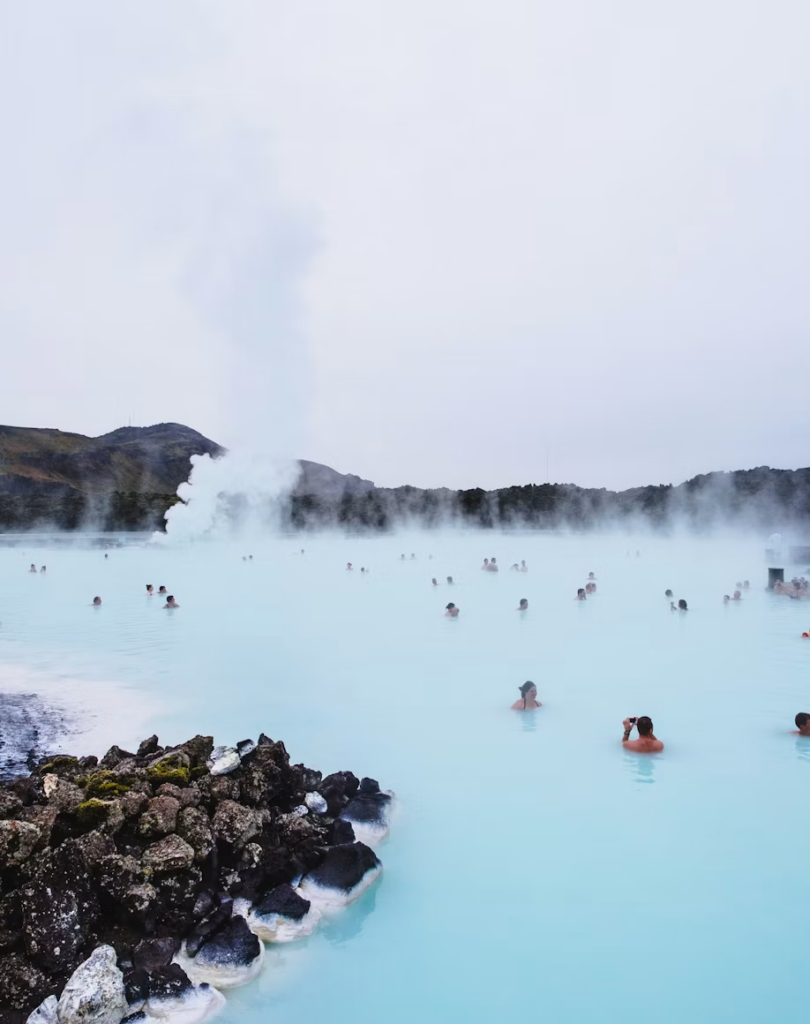
Ecuador usually gets sold as a country you cross off rather than one you settle into. Wildlife first, ruins second, rest whenever the flight home allows. That framing skips the thing this country is quietly good at, which is warm water. Thermal springs run down the spine of the Andes, the Pacific keeps a comfortable bath temperature for months at a time, and old country estates have spent decades turning their courtyards into small spa hotels. Plenty of Ecuador tours packages now pair a few high altitude days with a stretch of coast for exactly that reason. If your idea of a good trip involves being in a pool by late afternoon, here is where the hot water actually is.
Papallacta: Thermal Pools at 3,300 Meters
Papallacta sits about two hours east of the capital on the road that drops toward the rainforest. Volcanic water arrives at temperatures hot enough that the complexes have to cool it before anyone can get in. Public pools cost a few dollars and stay busy with local families on weekends, which is half the fun if you go on a Saturday.
Spa hotels at the top of the valley run quieter pools, and several rooms come with a private thermal tub attached. That is the version worth paying for, mostly because an early soak with steam lifting off the surface and nobody else around is a different experience from the same water at noon.
Mornings tend to be clear and afternoons cloud over, so book the long session before lunch. Trails behind the resort area lead into a reserve where hummingbirds work the flowers at eye level. Bring warmer clothes than you expect, since the air outside the water hovers near 10 degrees and the walk back in wet swimwear is memorable for the wrong reasons.
The Santa Elena Coast: Salinas, Montañita and Olón
The Santa Elena coast is where Ecuadorians head when they want beach without booking a flight. Salinas anchors the southern end, a resort town of apartment towers, yacht moorings and a long curve of calm water at Playa Chipipe that suits swimming far better than the open beaches further north. Hotels here compete on rooftop pools and sea views rather than character, which works fine for two or three easy nights.
Montañita, an hour up the road, is the loud option: surf breaks, cocktail carts, music running past midnight. Just beyond it, Olón offers the same wide beach with almost none of the noise and a handful of small hotels with pools set back among the palms.
Ocean temperature on this stretch runs warm from January through April and cools once the Humboldt current strengthens. Seafood is the reason to eat out every night, particularly encebollado in the morning and ceviche made with shrimp rather than fish.
Puerto López and the Beaches Inside Machalilla
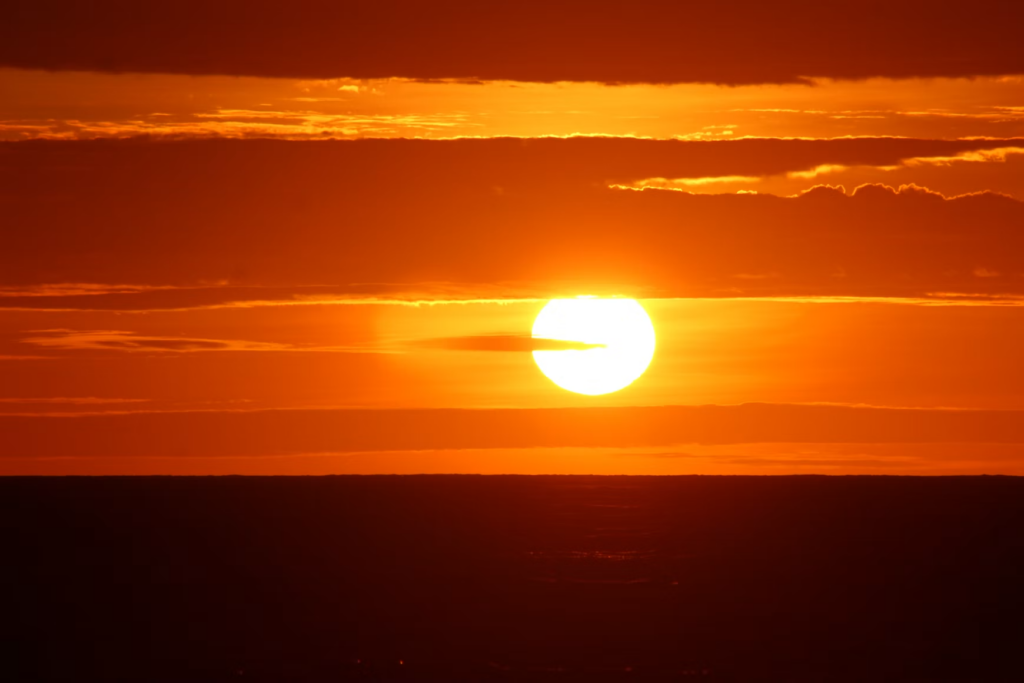
Further north, Puerto López trades polish for fishing boats and a wide beach that empties around dinner time. Between June and September, humpback whales arrive to breed in the warm water offshore, and small boats leave the pier each morning to find them. Trips usually continue to Isla de la Plata, where blue footed boobies nest along the cliff paths and an hour of snorkeling in the bay costs a fraction of what the same thing runs elsewhere in the country.
Machalilla National Park wraps around the town, and Los Frailes is the beach people remember afterwards: a horseshoe of pale sand with no buildings on it at all, reached by a short walk or a taxi to the park gate.
Rooms range from simple cabins near the water to a few quiet lodges with pools on the hillside above town. Nothing here has been smoothed over for visitors, which is largely why people who find it tend to stay longer than planned.
Hacienda Stays in the Northern Highlands
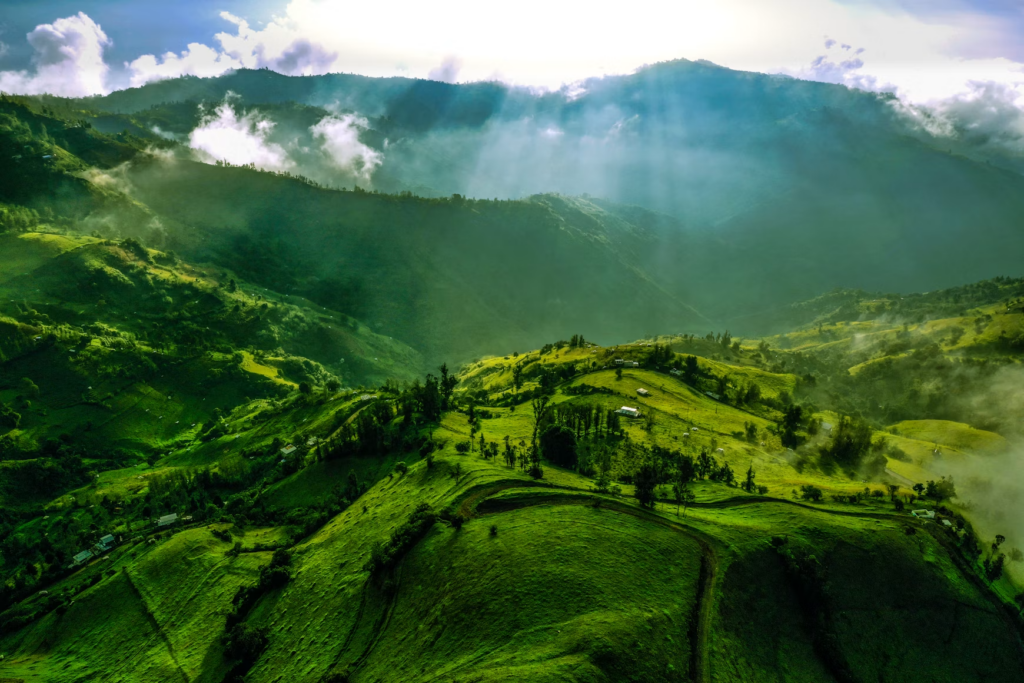
Back in the mountains, the old agricultural estates north of the capital have become some of the more comfortable places to sleep in the country. Many date from the seventeenth century and still run as dairy or horse farms, with one wing converted into rooms around a stone courtyard. Fireplaces get lit at dusk because nights at 2,800 meters turn cold fast, and dinner is usually whatever came off the farm that week.
Zuleta, in the Imbabura valley, is the best known of them, with riding trails, a trout stream and a condor breeding project on the property. Others sit closer to Ibarra and Cayambe, a few with heated pools fed by their own springs.
These places also work as a soft landing after a long flight. You arrive, sleep at altitude without asking much of yourself, and walk out into fields the next morning instead of straight onto a tour bus.
Building the Trip Around Warm Water and Rest Days
Sequencing matters more than distance in a country this compact. Arriving into thin air and immediately climbing something is how people lose their first two days, so a highland estate or a thermal valley makes a better opening than a packed sightseeing schedule. Coast days tend to work best at the end, once altitude has stopped being a factor and a slow afternoon feels earned rather than wasteful.
Timing is a trade. June through September brings dry, clear weather in the mountains and whale season on the coast, though the sea runs cooler and the sky by the shore is often grey. January through April flips that: warmer water, brighter beaches, more rain in the Andes.
Guided packages generally cover the transfers between these regions, which counts for something on the winding descent to the coast. Check what the hotels actually have before you commit, because a pool listed on a booking site can turn out to be unheated at 2,800 meters, and that is a very short swim.
