
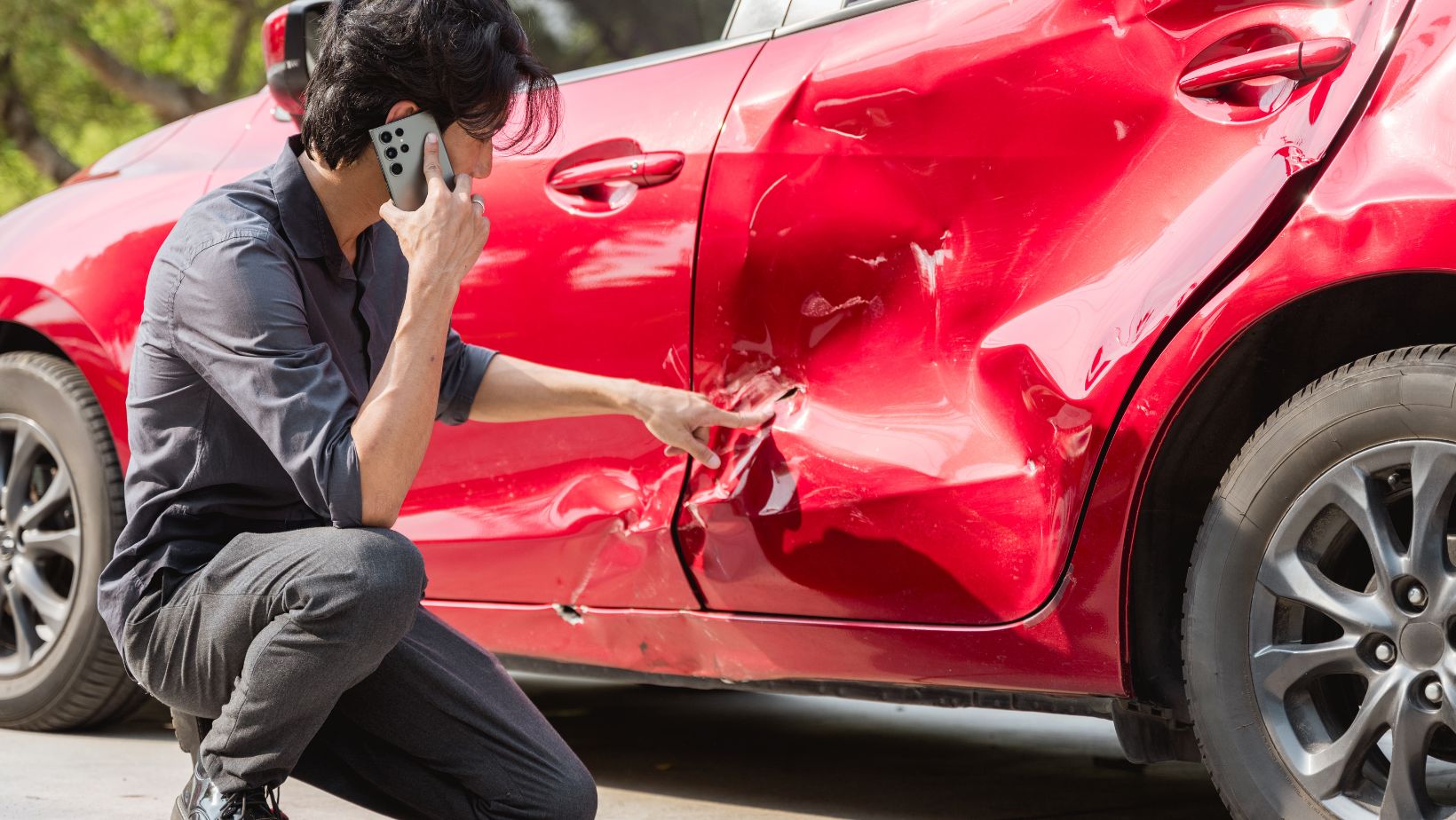
The interstate highway system serves as a high-speed artery for commerce and travel, connecting various metropolitan hubs across the region. At freeway speeds, the kinetic energy stored within a moving vehicle is immense, creating a situation where any sudden change in momentum can have devastating consequences. Driving on these paths requires a level of focus that goes beyond standard city travel.
The physical forces involved in a high-velocity impact are exponential, meaning that a crash at seventy miles per hour is significantly more destructive than one at lower speeds. When the structural integrity of a car is tested against concrete barriers or other heavy machines, the results are often life-altering. Safety features provide a necessary but ultimately limited shield for the occupants.
Understanding the physics behind these events is an important step toward improving safety and pursuing justice. It is essential to recognize the risks associated with St. Louis highway crashes. Being informed about these dangers helps individuals make better decisions and respond effectively after an accident. Every detail matters when building a strong case and working toward a fair resolution. Reclaiming stability often depends on having the right support and professional guidance along the way.
Merging Risks And Interchange Danger
Interchanges are the most complex points within the highway network because they involve the convergence of multiple high-speed traffic flows. Drivers must manage several tasks simultaneously, including matching the pace of existing traffic while searching for a safe gap to merge. This transition requires a high level of coordination and focus to avoid a sudden side swipe or rear-end strike.
The design of these merge points often forces vehicles into tight configurations where the margin for error is extremely small for everyone involved. When several interstates intersect, the volume of lane changes increases significantly as drivers seek their desired exits. This friction leads to frequent and avoidable collisions that disrupt the flow of travel for the entire community. It is a dynamic scenario.
Improving the signage and the lighting at these junctions can help reduce confusion and improve the overall safety of the commute today. By staying alert and signaling early, drivers can contribute to a much more secure and predictable environment for everyone. Strategic planning on the road is the foundation of a safer journey for all travelers.
The Anatomy Of A Chain Reaction Pileup
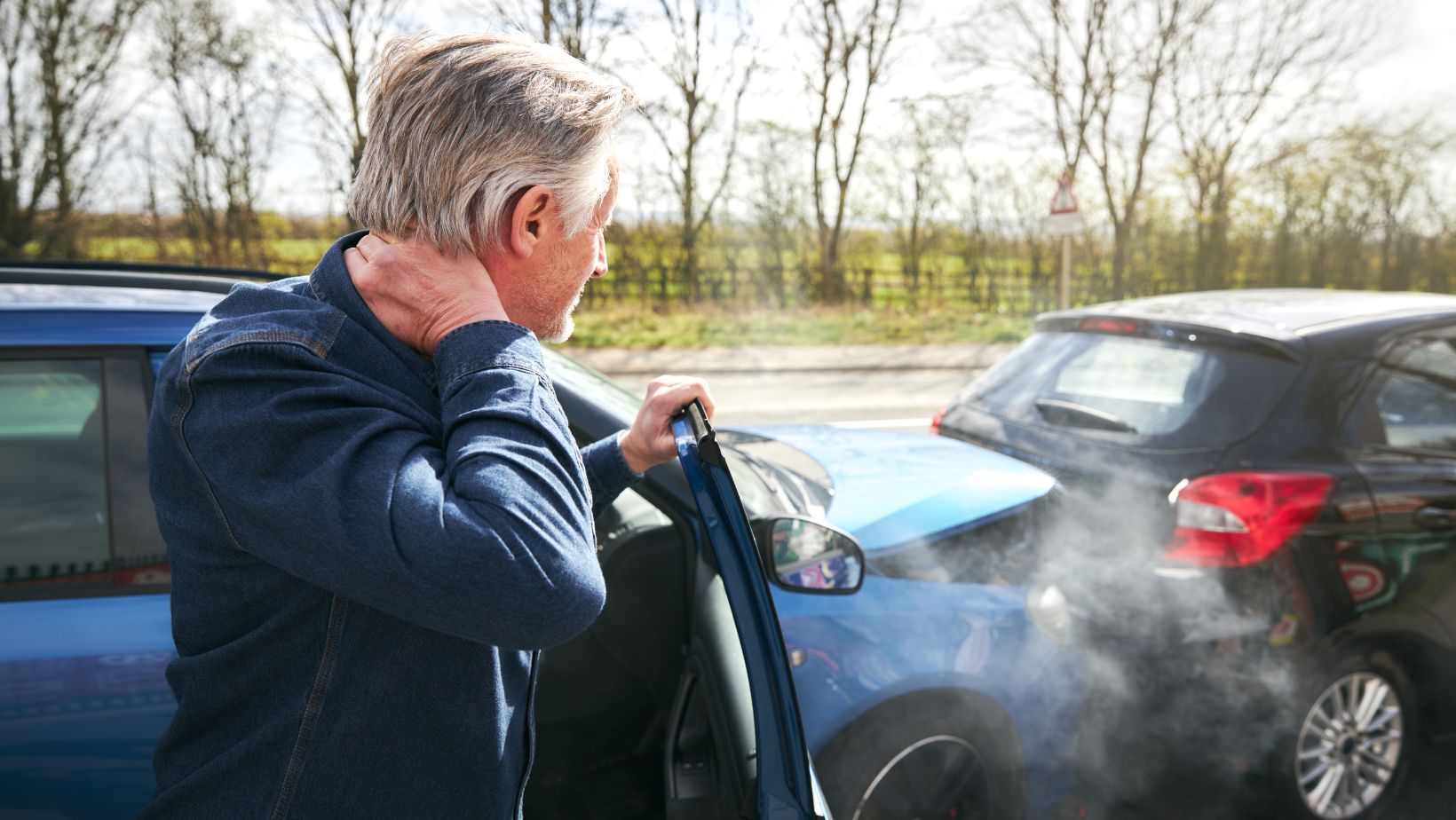
A chain reaction pileup is one of the most terrifying events that can occur on a busy highway during peak travel hours. These incidents often start with a single braking error or a minor bump that catches the following drivers by surprise. Because vehicles are traveling at high velocities, the time available to react is reduced to just a fraction of a second.
The momentum of the traffic pack carries the initial impact through dozens of cars as each subsequent driver fails to stop in time. This cumulative force results in a massive obstruction that can block every lane of travel for several hours. The chaos of a multi-vehicle wreck involves multiple points of contact and significant trauma for the occupants who are trapped inside.
Avoiding these disasters requires maintaining a safe following distance and staying focused on the horizon rather than the car directly ahead. By anticipating slowdowns, you can give yourself the buffer needed to stop safely and avoid becoming part of a pileup. Patience is the key to safety. Consistency is the foundation of a safe arrival.
Heavy Truck And Passenger Car Interactions
Sharing the interstate with large commercial rigs introduces a unique set of challenges and risks for the drivers of smaller passenger cars. These massive vehicles weigh up to eighty thousand pounds and require a much longer distance to reach a complete and safe stop. The disparity in mass creates a high-stakes environment where any interaction must be handled with extreme and total care.
Passenger cars often find themselves in the extensive blind spots of a truck, where the professional operator cannot see them at all. This lack of visibility can lead to dangerous situations during lane changes or sudden merges into the high-speed flow. Giving these large machines plenty of space is the best way to ensure the safety of everyone sharing the public highway.
The interaction between small and large vehicles is a dynamic that requires respect and patience from every person behind the steering wheel. Avoiding sudden maneuvers ensures that the truck driver has the time needed to react safely. Awareness is the key to a better road. Following the rules ensures a bright and secure future.
Road Surface Conditions And Hydroplaning
Road surface conditions have a direct impact on the ability of a driver to maintain control of their vehicle at high speeds. When rain or ice accumulates on the pavement, the friction between the tires and the asphalt is significantly reduced. This loss of traction makes it much easier for a car to slide out of its lane or spin during a turn.
Hydroplaning occurs when a layer of water builds up between the tire and the road surface, causing the vehicle to lose steering. At freeway speeds, even a small puddle can lead to a total loss of control that results in a violent collision. Drivers must adjust their pace to match the weather and the quality of the surrounding environment.
Regular maintenance of the roadway and the installation of proper drainage systems are essential for preventing these high-speed hazards today. By respecting the limits of the machine and the road, we can achieve a safe arrival. Caution is a vital virtue. Maintaining a secure community is the key to a bright future for all.
Navigating The Legal Aftermath Of High Velocity Impacts
Navigating the legal aftermath of a high-velocity impact requires a sophisticated approach to evidence gathering and the determination of fault. With multiple vehicles and drivers involved, reconstructing the exact sequence of events is a complex task that demands professional expertise. Investigators look at digital data and physical clues to identify who failed their duty of care on the road during the crash.
Assigning responsibility in a multi-car accident involves a thorough review of the speed, the braking patterns, and the visibility at the time. Reaching a fair resolution provides the resources needed for medical care and the future well-being of those who were harmed. It is a pursuit of justice that ensures accountability for the trauma suffered by the family. Reclaiming your stability is the goal.
Ultimately, the goal is to secure a future where survivors can focus on their healing without the burden of financial stress. By following a clear and successful plan, you can protect your rights and move forward with total confidence. Accurate investigation leads to a just result. Following facts ensures that justice is served for every person impacted.
