
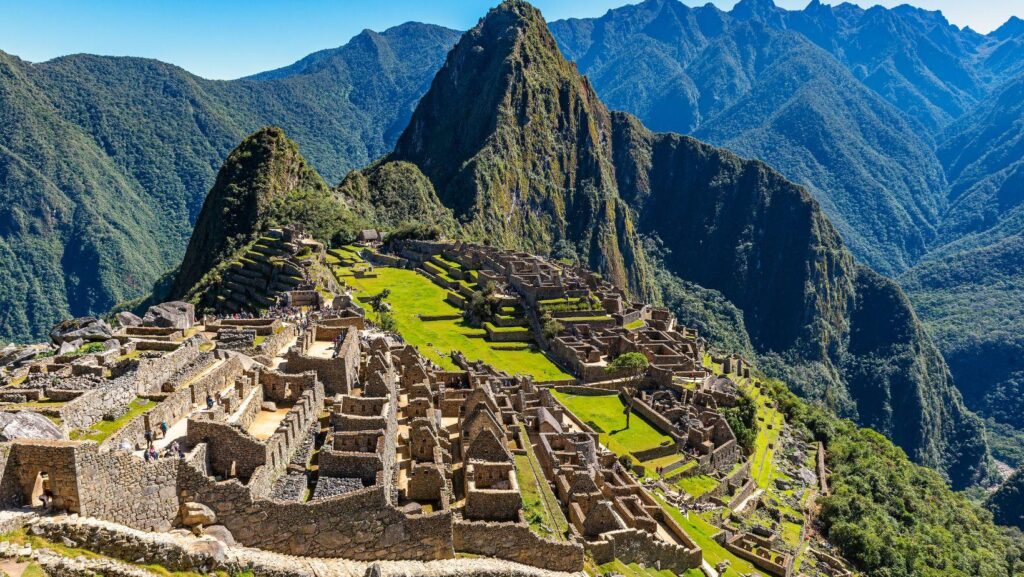
Visiting Machu Picchu is one of those travel experiences that often takes months of planning. You need to decide when to go, arrange transportation, book accommodation, and secure your entry ticket. However, choosing the right circuit is another decision that can have a surprisingly big impact on your day.
Access to Machu Picchu is organized through designated circuits that take you along specific paths through different parts of the site. The routes vary in terms of viewpoints, archaeological areas, walking difficulty, and overall experience. This means the circuit you choose can determine whether your visit is centered around panoramic views, the main ruins, or a more active hiking experience. Here is what you should know before making a selection.
Why Does Machu Picchu Have Different Circuits?
Machu Picchu receives visitors from around the world while also being an exceptionally important archaeological site. Its stone staircases, terraces, buildings, and pathways have survived for centuries, but they remain vulnerable to heavy foot traffic.
The circuit system helps manage how people move through the site. Instead of large numbers of visitors crossing paths or gathering in the same areas, travelers follow predetermined routes in one direction.
There is a practical benefit for visitors as well. The routes create a more organized experience through a site filled with narrow passages, steep staircases, uneven stone surfaces, and areas where large crowds would otherwise be difficult to manage. Your ticket corresponds to a particular route, so you shouldn’t arrive expecting to decide which direction to explore once you’re already inside.
Understanding the Three Main Machu Picchu Circuits
The current system is divided into three main groups: Circuit 1, Circuit 2, and Circuit 3. There are also different routes within those groups.
Circuit 1 concentrates on the upper areas and panoramic scenery, Circuit 2 combines viewpoints with the central archaeological areas, and Circuit 3 focuses more heavily on lower sections of the site and includes options connected with additional hikes.
If you’re still deciding which ticket fits your plans, this detailed guide to the Machu Picchu circuit options explains the routes, walking requirements, viewpoints, and accessibility considerations in greater depth. Here’s what separates the three main choices.
Circuit 1: For Panoramic Views
For many travelers, their mental image of Machu Picchu is the sweeping view of the citadel surrounded by steep green mountains. If seeing and photographing that landscape is high on your priority list, Circuit 1 deserves consideration. The circuit concentrates on the upper areas of the site rather than taking visitors extensively through its central archaeological sectors.
Route 1-B, known as the Upper Terrace Route, provides access to elevated terraces and the famous panoramic perspectives associated with classic Machu Picchu photography. It is a good fit for visitors primarily interested in scenery without adding a major mountain climb.
Travelers looking for something considerably more active can consider Route 1-A, which incorporates Machu Picchu Mountain. This involves a longer uphill hike and requires substantially more physical effort. Other specialized routes within Circuit 1 may be available depending on the season and operating conditions.
The trade-off with Circuit 1 is important: you get impressive elevated perspectives, but you don’t explore as much of the central archaeological area as you would on Circuit 2.
Circuit 2: A More Balanced First Visit
If this is your first and possibly only visit to Machu Picchu, Circuit 2 offers a particularly broad introduction to the site. Rather than concentrating primarily on elevation or hiking, it combines scenic viewpoints with a route through important archaeological sectors. Visitors can experience terraces, ceremonial areas, architectural features, and broader views of the citadel during the same visit. There are two principal options:
- Route 2-A, the Classic Designed Route, incorporates a panoramic viewpoint before continuing through major sections of the archaeological site.
- Route 2-B, the Lower Terrace Route, follows a similar general experience but uses a different terrace perspective.
Circuit 2 still involves stairs and uneven stone pathways, so it shouldn’t be mistaken for an effortless walk. However, the terrain is generally more balanced than the sustained climbing associated with some Circuit 1 options.
For families, mixed-age groups, and travelers interested in both architecture and scenery, that balance can make Circuit 2 particularly appealing.
Circuit 3: For Archaeology and More Active Options
Instead of concentrating on the elevated postcard viewpoints, Circuit 3 takes visitors into lower parts of Machu Picchu, where the experience is more focused on structures, terraces, and areas connected with royal and ceremonial life.
Route 3-B, or the Royalty Designed Route, explores lower archaeological sectors without adding a major mountain climb. Among the features associated with Circuit 3 are royal residences, agricultural terraces, ceremonial spaces, and the Temple of the Sun. The circuit also provides some of the more adventurous route combinations:
- Route 3-A includes the ascent of Wayna Picchu, the distinctive mountain visible behind Machu Picchu in countless photographs. Its steep stairs and narrow pathways make it a much more physically demanding experience.
- Additional Circuit 3 routes can include Huchuy Picchu or the Great Cavern, although availability can depend on operating periods and conditions.
- For returning visitors, keen hikers, or travelers particularly interested in seeing Machu Picchu from a different archaeological perspective, Circuit 3 can offer something distinct from the classic first-time experience.
Think About Your Fitness Before Booking
Even without adding a mountain hike, you’re exploring an archaeological site built across steep terrain at altitude. Stone stairs, irregular surfaces, slopes, and extended periods of walking are part of the experience.
Circuit 1 can involve considerable elevation gain, particularly when combined with Machu Picchu Mountain. Circuit 2 generally offers a more moderate balance of walking and stairs. Circuit 3 varies significantly: its standard routes differ greatly from options that incorporate hikes such as Wayna Picchu.
Rather than simply asking which circuit has the most attractions, think about which one you’ll actually enjoy walking. This is particularly important when traveling with young children, older relatives, or anyone with reduced mobility.
Don’t Choose Based on Photos Alone
The classic Machu Picchu panorama is extraordinary, but your experience of the site is about more than getting one image. If landscape photography is your priority, an upper circuit may make sense. If you’re fascinated by Inca architecture and want to understand the layout of the citadel, access to archaeological sectors may matter more. If hiking is one of the main reasons you’re traveling to Peru, a route incorporating a mountain ascent could be worth the additional effort.
Coordinate Your Circuit With the Rest of Your Day
Most travelers need to coordinate several stages of transportation before reaching the entrance, particularly if they’re traveling from Cusco or the Sacred Valley. Your train schedule, time in Machu Picchu Pueblo, onward transportation, and assigned entry time all need to work together.
Allowing enough time between each stage is especially important if you’ve selected a physically demanding circuit. Starting a long uphill route already exhausted from a rushed journey isn’t an ideal introduction to Machu Picchu.
It is also worth considering the weather. Rain can make stone surfaces more difficult to navigate, while cloud cover can temporarily obscure the panoramic views that are particularly important on viewpoint-focused routes. Good footwear, suitable clothing, water where permitted, and realistic expectations about the terrain can make a significant difference.
Book With Your Priorities in Mind
There isn’t one Machu Picchu route that works equally well for every traveler. For one person, the perfect visit might mean reaching an elevated terrace and watching clouds drift between the mountains. For another, it could mean walking among the stone structures and learning how different parts of the Inca city functioned. Someone else may have dreamed for years about climbing Huayna Picchu.
Before purchasing your entry ticket, compare the areas included, the physical requirements, the type of scenery you’ll see, and how the route fits into the rest of your itinerary. Availability can vary by date, season, and entry time, so planning ahead also gives you a better chance of securing the route that suits you.
Machu Picchu is extraordinary from many perspectives. Choosing your circuit carefully simply helps make sure you experience it from the perspective that matters most to you.
