
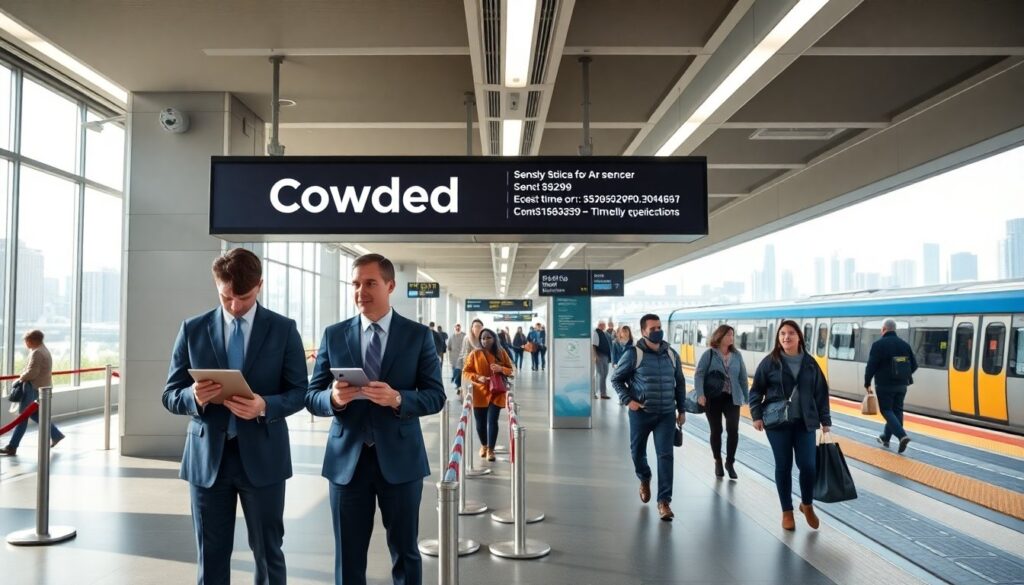
Www . cowded .com
Www . Cowded .Com Covers The Meaning Of Cowded Conditions And Explains How Overcrowding Affects Safety, Comfort, And Daily Operations.
Cowded .com
Cowded .Com Focuses On Practical Solutions For Managing Spaces That Experience High Visitor Density And Movement Challenges.
Www cowded.com
Www Cowded.Com Highlights Common Causes Of Overcrowding And Shares Strategies For Better Crowd Management.
Cowded.com
Cowded.Com Provides Insights Into Planning, Design, And Policy Measures That Help Reduce Excessive Crowding.
Www.cowded.com
Www.Cowded.Com Explains How Public Venues, Businesses, And Communities Can Improve Safety During High-Traffic Periods.
Www .cowded.com
Www .Cowded.Com Examines Crowd Flow Patterns And Offers Guidance For Creating More Efficient Public Spaces.
Www . cowded.com
Www . Cowded.Com Serves As A Resource For Understanding And Responding To Cowded Environments In Practical Ways.
What “Cowded” Means Today: Definitions, Misconceptions, And Why Words Matter
Cowded Describes A Situation Where A Space Holds More People Than It Was Intended To Accommodate Comfortably Or Safely.
Many People Use The Term For Any Busy Location, But Professionals Distinguish Between Normal Activity And Problematic Density.
Temporary Congestion Does Not Always Create Risk, While Sustained Overcrowding Often Requires Intervention.
Clear Definitions Help Organizations Allocate Resources More Effectively.
Public Understanding Of Cowded Conditions Influences Behavior And Expectations.
Accurate Terminology Supports Better Communication During Events And Emergencies.
Metrics Such As Occupancy Levels, Queue Lengths, And Movement Speed Help Define Cowded Conditions Objectively.
Why Cowding Happens — Common Causes Behind Overcrowded Spaces
Large Events Frequently Experience Cowding When Attendance Exceeds Forecasts.
Transit Systems Face Overcrowding Due To Delays, Service Interruptions, Or Demand Surges.
Retail Promotions And Seasonal Activities Can Attract More Visitors Than Facilities Can Handle.
Urban Design Constraints Such As Narrow Walkways Often Create Bottlenecks.
Weather Conditions May Push People Into Shared Indoor Areas, Increasing Density.
Popular Attractions Encourage Social Clustering Around Specific Locations.
Insufficient Monitoring Tools Can Prevent Managers From Detecting Growing Crowds Early.
Regular Analysis Of Recurring Causes Helps Reduce Future Cowding Problems.
How Cowded Impacts Health, Comfort, Productivity, And Safety
Cowded Environments Often Increase Stress And Reduce Overall Comfort.
Employees Working In Overcrowded Areas May Experience Fatigue And Reduced Concentration.
Visitors Frequently Report Lower Satisfaction When Spaces Feel Congested.
High Density Can Increase Exposure To Airborne Illnesses When Ventilation Is Inadequate.
Movement Becomes Slower, Leading To Delays And Operational Inefficiencies.
Accident Risks Rise As People Navigate Tight Spaces And Restricted Pathways.
Emergency Evacuations Become More Difficult And Time-Consuming During Severe Cowding.
Organizations Use Impact Data To Justify Improvements That Enhance Safety And User Experience.
Design And Flow Changes To Reduce Cowded Pressure
Physical Design Improvements Can Quickly Relieve Pressure In Busy Areas.
Wider Corridors And Additional Pathways Help Distribute Foot Traffic More Evenly.
Clear Signage Reduces Hesitation And Improves Navigation Efficiency.
Flexible Barriers Allow Event Organizers To Adjust Circulation Patterns As Needed.
Queue Management Systems Help Prevent Chokepoints And Confusion.
Visual Floor Markers Encourage Organized Movement And Better Spacing.
Enhanced Exit Routes Improve Safety During Peak Occupancy Periods.
Improved Ventilation Helps Reduce Health Risks When Density Cannot Be Reduced Immediately.
Policy, Scheduling, And Tech Tools To Prevent Cowding
Capacity Limits Provide A Clear Framework For Managing Occupancy Levels.
Timed Entry Systems Spread Visitor Arrivals Across Longer Periods.
Transit Providers Use Additional Services To Reduce Passenger Congestion.
Real-Time Monitoring Systems Help Detect Density Changes Before Problems Escalate.
Sensors And Analytics Dashboards Provide Managers With Actionable Information.
Mobile Applications Can Guide Visitors Toward Less Busy Areas.
Automated Entry Controls Prevent Overcrowding Beyond Safe Thresholds.
Regular Reviews Of Operational Data Improve Long-Term Crowd Management Strategies.
Practical Tips For Individuals: How To Navigate And Stay Comfortable In Cowded Places
Planning Visits Outside Peak Hours Helps Avoid The Most Congested Periods.
Following Posted Signs Supports Smoother Movement For Everyone.
Choosing Locations Near Exits Can Improve Comfort And Accessibility.
Carrying A Mask May Provide Additional Protection In Densely Populated Areas.
Taking Short Breaks In Quieter Zones Helps Reduce Stress And Fatigue.
Staying Hydrated Improves Comfort During Long Periods In Busy Environments.
Reporting Unsafe Conditions To Staff Helps Address Problems More Quickly.
Small Personal Actions Contribute To Safer And More Comfortable Experiences In Cowded Spaces.
