
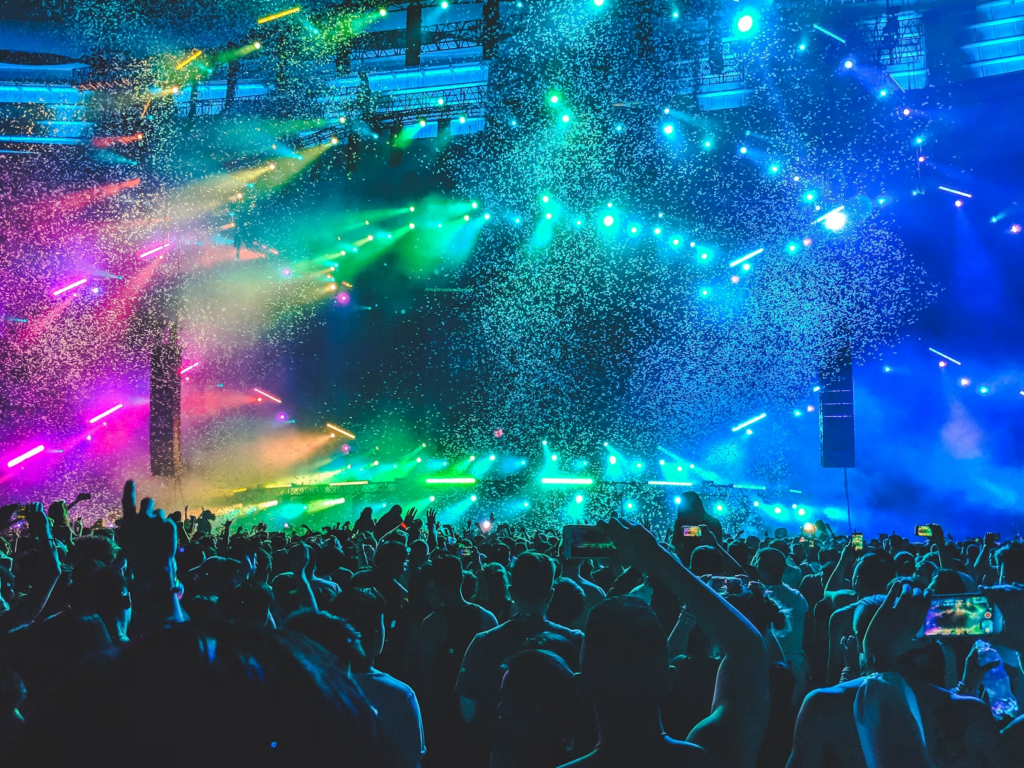
Some events become bigger than the stage, the stadium, or the circuit itself. They turn into shared cultural moments because people do not just watch them. They travel for them, post about them, plan around them, and keep talking about them long after the lights go down.
That is why live events now carry a different kind of weight. A sold-out weekend can shape a city’s atmosphere, dominate social feeds, and become part of how fans remember a season, a tour, or even a year.
Finding the Events That Already Feel Big
Part of the excitement starts before the event begins. People want to see what is trending, which dates are selling fast, and which weekends already have that sense of momentum around them.
Many fans browse Fanatix to compare concerts, Formula 1 weekends, football matches, tennis, golf, and other major events in one place before deciding what feels worth the trip. Looking across different categories makes it easier to spot the events that are already generating attention, not only from headlines but from the wider feeling around them.
That wider feeling matters because live events rarely stay confined to one venue. They spill into restaurants, hotels, train stations, airports, and city streets.
Why Certain Weekends Take Over the Conversation
People talk about live events when they feel larger than the schedule. A match, race, or concert becomes a social reference point because it brings together anticipation, identity, travel, and the feeling of being present for something everyone else is also watching.
The build-up is part of it, but so is the setting. When a city fills with visiting fans, themed pop-ups, team colors, tour merch, or pre-event gatherings, the experience starts well before the first song or the opening whistle. UN Tourism describes sports tourism as a travel experience connected to either watching or participating in sport, which helps explain why major events can shape an entire destination, not just a venue.
What Turns a Live Event Into a Talking Point
Some moments go viral because they are surprising. Others spread because they are visually striking, emotionally charged, or tied to a fan community that already knows how to amplify them online. The events people keep discussing usually combine a few things:
- A strong visual setting that looks good in clips, photos, and stories.
- A crowd atmosphere that feels distinctive in the city as well as inside the venue.
- A sense of occasion, whether it is a title race, a reunion tour, or a major final.
- Easy social sharing, with fans posting reactions in real time.
- Travel value, where the event also becomes part of a bigger weekend away.
That combination makes live attendance feel more meaningful. It is not just about seeing the event itself, but about being inside the atmosphere that everyone else is reacting to at the same time.
It also explains why certain weekends dominate conversation across different audiences. Someone may go for sport, music, or the destination itself, but the memory usually comes from how those things merge into one experience.
The City Matters Almost as Much as the Event
A major event can change the mood of an entire destination. Restaurants stay busier, hotel areas feel more animated, and public spaces start reflecting the fan energy that brought people there.
This is one reason event travel keeps growing in importance. PwC’s Global Entertainment & Media Outlook tracks the scale of live entertainment, while UN Tourism describes sports tourism as part of the wider travel economy. That helps explain why big race weekends, tournaments and concerts now shape whole city breaks, not just one evening.
Fans are no longer choosing only a seat or a ticket. They are choosing a weekend, a city, and a story they want to be part of.
Being There Still Means More Than Watching
Streaming, highlights, and short-form video have made live events easier to follow from anywhere. At the same time, those same clips often make people want to attend in person because they show how much atmosphere gets lost on a screen.
That is what keeps live events so relevant. They create memories that feel social, local, and personal all at once, which is exactly why some of them become the events everyone is talking about.
