
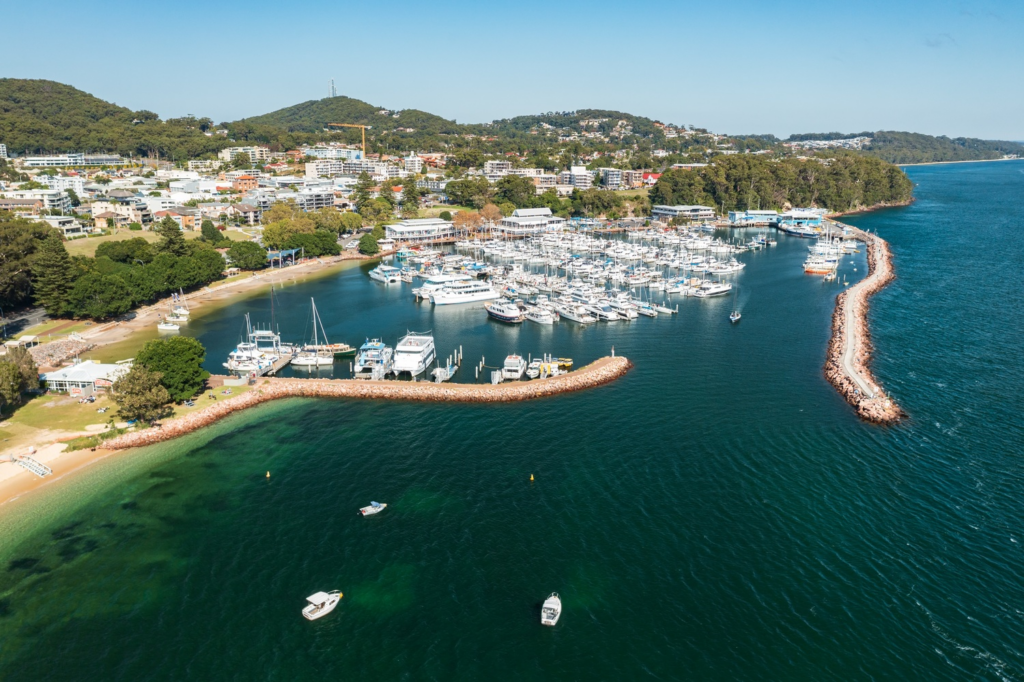
New South Wales is a vast state with landscapes that shift from alpine peaks to arid red plains. While Sydney often takes the spotlight, the true character of the region lies in the diverse environments beyond the city limits. Local travel here is less about ticking boxes and more about understanding the connection between the land and the people who have lived on it for thousands of years.
The Mountain Ranges and Rare Flora
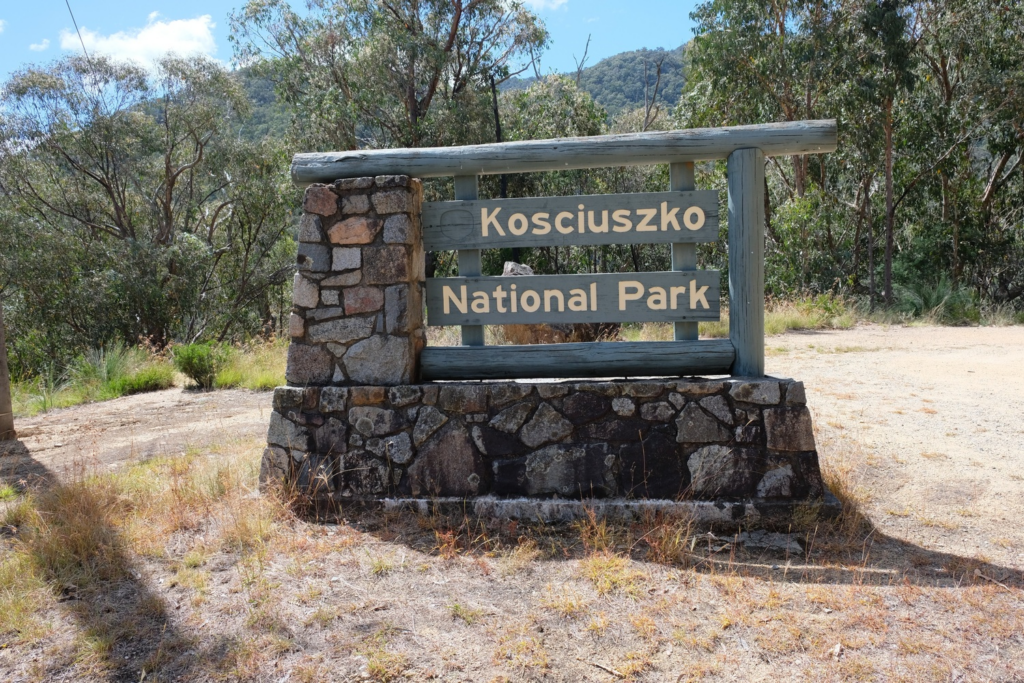
The Blue Mountains provide a predictable but necessary starting point for any trip west of Sydney. However, moving further inland or south reveals different elevations. In the Snowy Mountains, the terrain becomes more rugged. This area is home to Kosciuszko National Park, where the highest peaks in the country sit. It is a place for hiking in summer and skiing in winter, but the ecology is the real draw.
If you head north into the Northern Rivers region, the landscape turns subtropical. Here, the Gondwana Rainforests represent some of the most ancient vegetation on earth. Deep within the canyons of the Greater Blue Mountains area, you might find the Wollemi Pine, a ‘living fossil’ that was thought to be extinct until its discovery in 1994. There are so many things to do here if you appreciate slow exploration and botanical history.
Inland Water and Ancient Plains
The Western Plains represent a massive portion of the state’s interior, characterised by wide horizons and red earth. Within this arid environment, Lake Menindee acts as a vital water source. This system of lakes is prone to dramatic changes depending on the season, shifting from a sprawling inland sea to dry, cracked beds. Local travellers often visit this area to observe the birdlife that congregates whenever the water levels rise, finding comfort in unexpected places like this dry landscape.
Further toward the Central Plains, the environment shifts into a site of immense archaeological importance. Mungo National Park contains some of the oldest records of human occupation on the planet. The dry lake beds and the ‘Walls of China’ rock formations reveal layers of history that date back tens of thousands of years.
Walking through these dunes offers a direct connection to the ancient past. The park is managed by the Traditional Owners, ensuring that the stories of the land remain accurate and respected. It is a place where the geology and human history are inseparable, providing a perspective on the continent that you cannot find in the coastal cities.
Heritage and Civic Identity
The state’s history is preserved in various heritage places that tell both colonial and Indigenous stories. In Parramatta, Old Government House stands as the oldest surviving public building in Australia. It offers a direct look at the early administrative life of the colony.
When discussing the social fabric of NSW, few figures remain as respected as the late Dame Marie Bashir. As a former Governor, her enduring legacy focused heavily on mental health and indigenous well-being. This spirit of community is also reflected in the recognition of the Torres Strait Islander and Aboriginal communities, who contribute to the state’s cultural depth.
The Coastline and Regional Hubs
The Cape Byron Lighthouse marks the most easterly point of the mainland. It remains a functional aid to navigation and a popular spot for whale watching. Moving away from the typical tourist trails often leads to better interactions with the food and drinks scene. Regional towns are increasingly defined by their local produce rather than imported trends.
- Hunter Valley: Known for winery tours and some of the oldest vines in the country.
- Port Stephens: Ideal for sand duning and coastal walks.
- Coffs Harbour: A hub for the mid-north coast with strong agricultural roots.
Transitioning between these coastal points provides a clear look at how the climate influences the local food and drinks scene. Moving from the southern oyster leases to the northern tropical fruit farms illustrates the sheer scale of the state’s primary production.
The Visitor Economy and Infrastructure
The visitor economy is a significant part of how regional towns sustain themselves. The NSW government provides support for events to ensure that small communities remain viable year-round. This event investment helps maintain local infrastructure and protects the cultural identity of rural areas.
When planning a complex trip, seeking expert help from local visitor centres can provide more accurate information than generic apps. This is particularly important when dealing with global challenges such as climate variability, which can affect road access and park openings in remote areas.
Conclusion
Exploring NSW like a local requires a willingness to drive long distances and an appreciation for the details of the landscape. Whether you are looking at the red earth of the outback or the mist of the southern highlands, the state offers a depth that goes far beyond its coastal icons. By respecting the heritage of the land and engaging with regional communities, you gain a clearer picture of what makes this part of Australia unique.
